
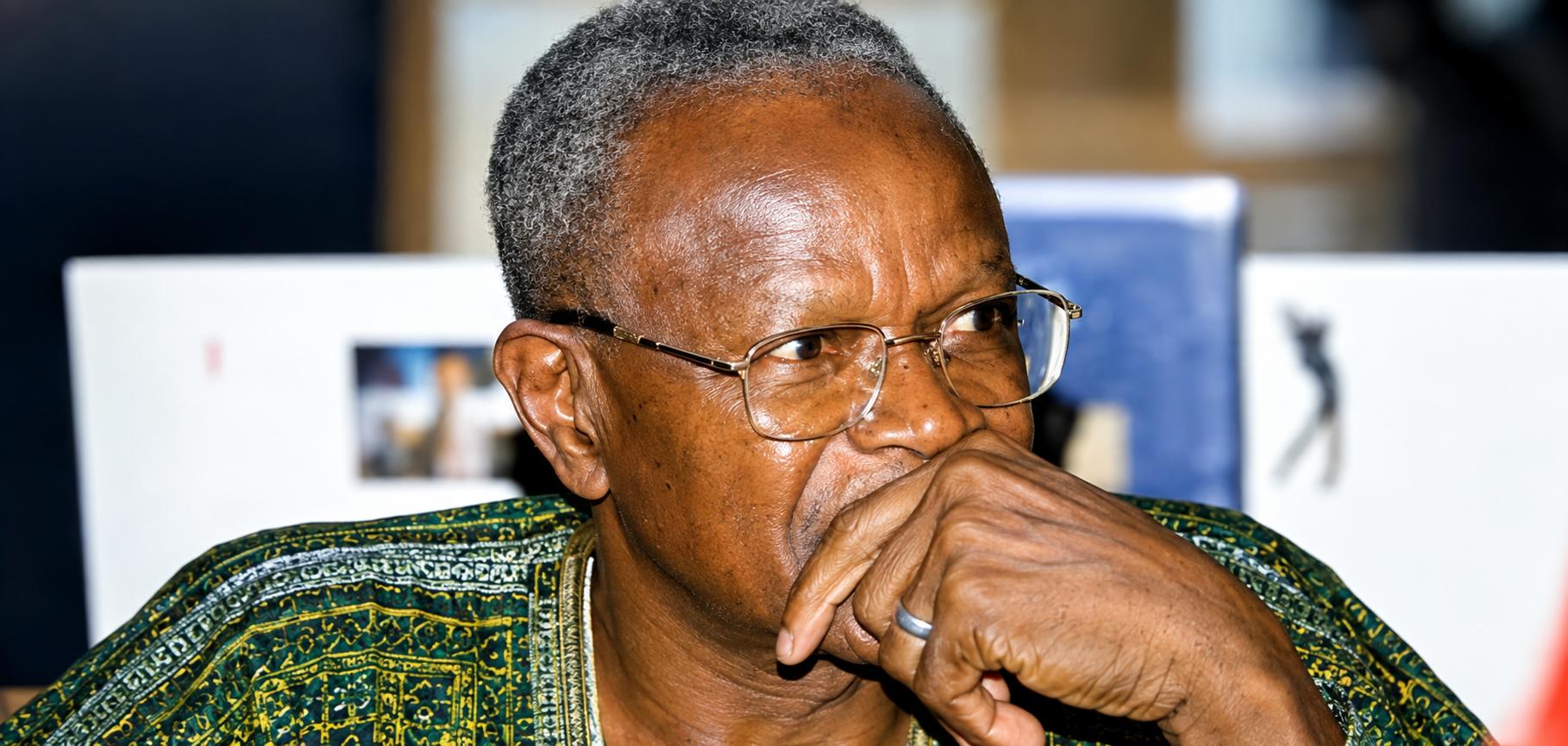
Literary circles across Africa and beyond are marking a watershed moment. Olympe Bhêly-Quenum, the Beninese writer, journalist and literary critic, has reached his centennial—a milestone that has redefined the trajectory of francophone African literature since the middle of the last century.
From Vodoun roots to global resonance
Born on September 20, 1926, in Ouidah, a city steeped in Vodoun heritage and the legacy of the Dahomey Kingdom, Bhêly-Quenum grew up in a world where spirituality and tradition shaped daily life. His mother, a High Priestess of Vodoun, and his family’s noble lineage rooted in the history of the kingdom infused his later works with deep mystical and social realism, creating a distinctive voice that still echoes in African letters today.
The literary awakening that changed the game
After studying in Benin and France, Bhêly-Quenum burst onto the scene with a body of work that would become foundational. His debut novel, Un piège sans fin, published in 1960, remains a cornerstone of African literature, taught in schools and universities across the continent for its raw portrayal of human destiny and social struggle.
He followed this with Le Chant du lac in 1965, a novel that earned the Grand Prix Littéraire d’Afrique Noire the following year. Through its exploration of progress, tradition, and ancestral belief around Lake Nokoué, the book challenged readers to reconsider the clash between modernity and heritage—an idea that continues to resonate in contemporary African discourse.
In 1998, he expanded his mythic reach with La Naissance d’Abikou, a work that delved into the Yoruba and Fon cosmogony, giving voice to the spiritual foundations of West African identity.
The journalist who built bridges
Bhêly-Quenum’s impact extended far beyond the page. As editor-in-chief of La Vie Africaine and founder of L’Afrique Actuelle, he became a tireless advocate for African cultural expression. Through these platforms, he connected African writers with global audiences, championing the continent’s literary and historical wealth at a time when African voices were often marginalized in global discourse.
His work in journalism was not just professional—it was a mission. He saw literature as a tool for liberation, education, and reclaiming identity, and he wielded it with unwavering conviction.
A living legacy that refuses to fade
Now, as Benin and the wider African literary world celebrate his 100th year, Bhêly-Quenum’s contributions stand taller than ever. His books remain required reading, his ideas continue to spark debates, and his lifelong dedication to African storytelling serves as a beacon for new generations of writers.
Olympe Bhêly-Quenum is not just a centenarian; he is a living turning point in African literature—a man whose century of life has illuminated a path forward for countless others.