
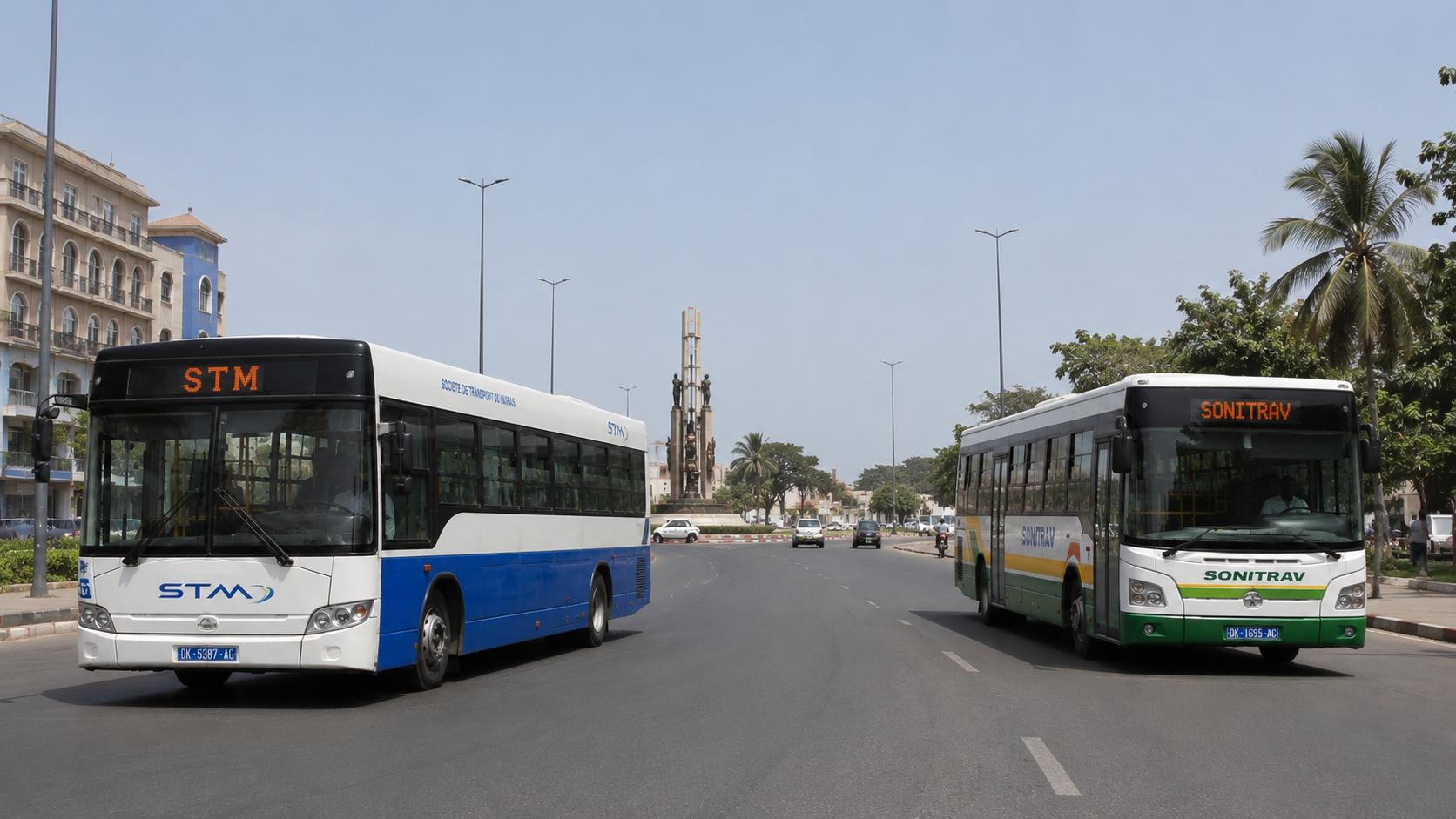
A devastating collision on August 7, 2026, in Niger’s Maradi region left a harrowing scene: 22 lives lost, 37 individuals injured, and twisted metal carcasses. The accident involved two major transport operators, STM and SONITRAV, triggering widespread public outcry. In response, the Ministry of Transport quickly announced severe sanctions, potentially including the revocation of operating licenses. However, this display of governmental resolve appears to be a reactive measure, sidestepping critical underlying issues: the failure of public oversight, the problematic economic practices of transport companies, and the dilapidated state of Niger’s infrastructure.
Punishment masking state failure
The crisis meeting convened on August 10 by Colonel-Major Abdouramane Amadou, the Minister of Transport and Civil Aviation, followed a familiar political script: a strong declaration, visual presentations of the accident, and the threat of disciplinary action.
While establishing the administrative responsibility of the implicated companies is essential, the threat of suspending or revoking licenses largely serves as a public relations tactic aimed at placating public anger.
- Purely reactive measures: Why did authorities wait for a catastrophe claiming 22 lives before scrutinizing the operations of STM and SONITRAV? Acting solely through punitive measures after the fact highlights a glaring absence of proactive prevention strategies.
- Ambiguous role of regulatory bodies: The Nigerian Road Safety Agency (ANISER) and the National Gendarmerie were present at the ministerial meeting. Yet, what concrete daily actions do these institutions undertake to intercept faulty vehicles or penalize speeding drivers before tragedies occur?
The “human factor”: a convenient alibi ignoring profit-driven practices
Official government communications often attribute such incidents to