
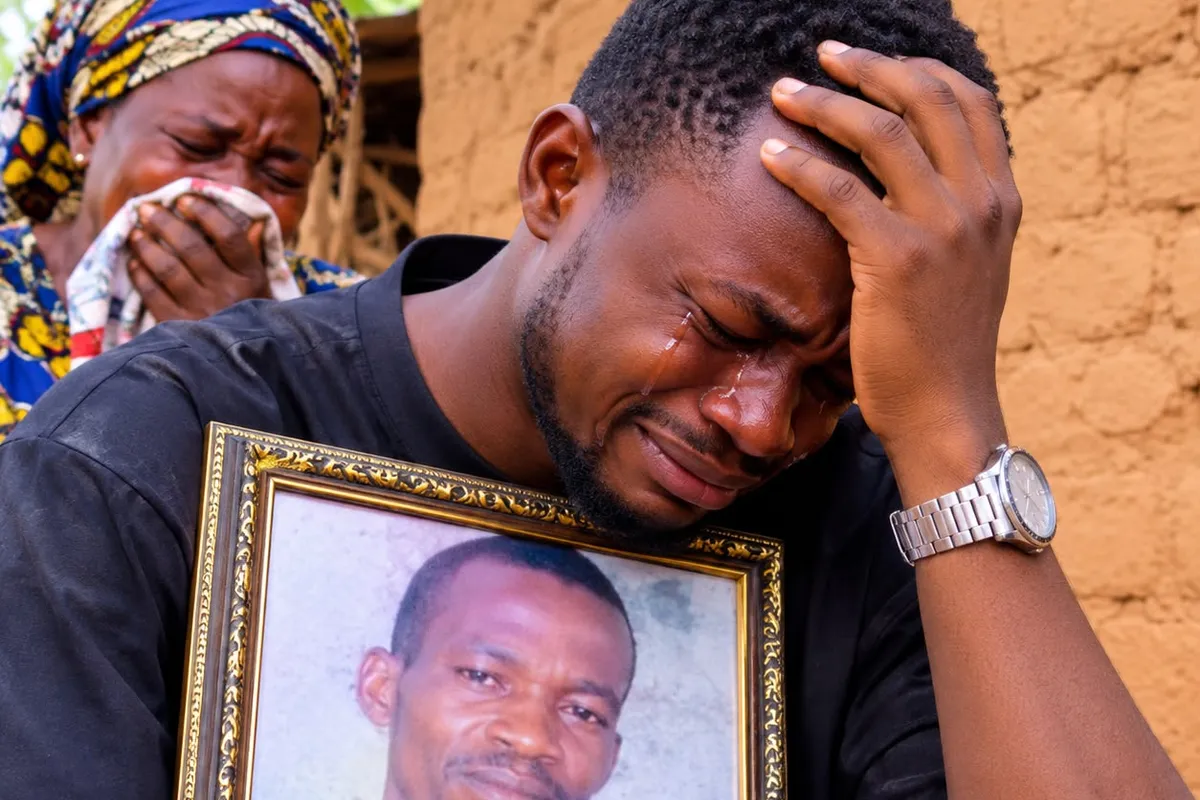
Eleven days after his abduction by suspected Wagner Group-linked mercenaries in the Central African Republic’s Vakaga region, local leader Al-Nazir Rizigala remains missing, leaving residents and businesses in limbo. The prolonged uncertainty has sparked fears over regional stability, economic disruptions, and the broader implications of foreign mercenary presence in conflict zones.
Economic ripple effects in Vakaga’s fragile markets
Since Rizigala’s disappearance, Vakaga’s already strained economy has faced severe setbacks. Cross-border trade—vital for communities along the Sudanese border—has ground to a halt as merchants hesitate to move goods amid fear of further violence. Small businesses, many operating on tight margins, are struggling to secure supplies or pay workers, pushing the local economy deeper into crisis.
- Farmers can’t transport crops to markets, risking spoilage and lost income.
- Fuel shortages have disrupted transportation, isolating remote villages.
- Inflation has surged as supply chains collapse, burdening households already struggling with poverty.
Public unease and calls for accountability
The population’s frustration is palpable. Protests have erupted in Birao, the Vakaga capital, with residents demanding Rizigala’s safe return and condemning the mercenaries’ role in destabilizing the region. Community leaders warn that prolonged instability could fuel wider unrest, undermining fragile peace efforts in the Central African Republic.
“This is not just about one man,” said a local elder. “It’s about the future of our children, our safety, and the rule of law in Vakaga.”
Government response and the Wagner Group controversy
Officials have yet to provide concrete updates on the investigation, amplifying concerns over transparency. The Wagner Group, a Russian private military company accused of human rights abuses in Africa, has drawn international scrutiny. Analysts suggest its operations in the Central African Republic may be exploiting local conflicts for strategic gain, further complicating efforts to resolve Rizigala’s case.
What’s next for Vakaga?
Without a resolution, the region’s trajectory remains uncertain. Businesses may relocate, displacing families already struggling with years of instability. The international community’s response could determine whether Vakaga slides deeper into chaos or finds a path toward recovery.
The clock is ticking. With every passing day, the stakes grow higher—for Rizigala, for Vakaga, and for the Central African Republic as a whole.